






Skip to product information
1 of 10

Avante

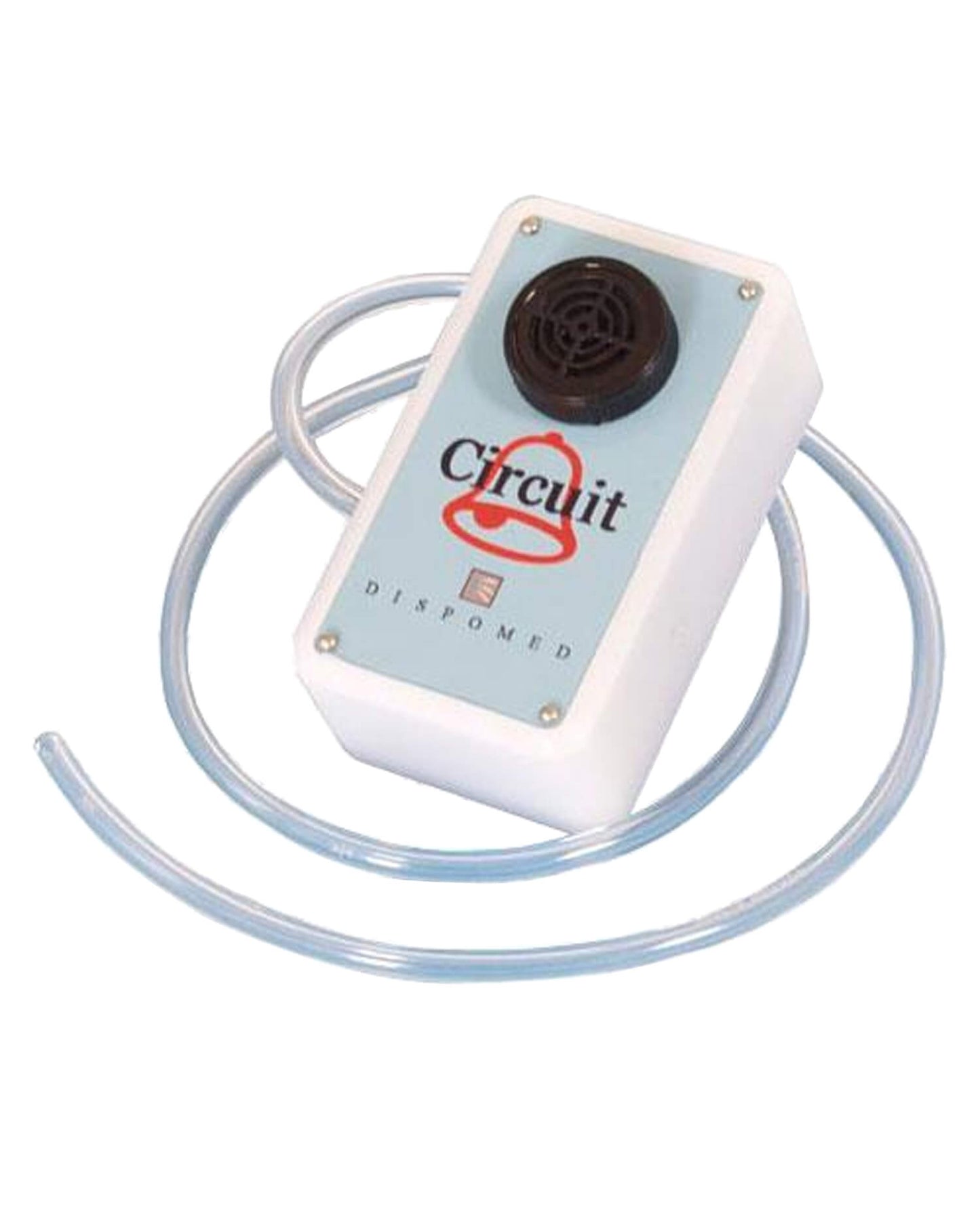
Avante Dispomed Veterinary Circuit Alarm - 2045

Avante Dispomed Veterinary Circuit Alarm - 2045

1 Review

10% Sale

Only left!

image

free delivery

image

Limited Stocks

In Stock - Ready to be Shipped

Regular price $360.99 Sale price $324.99
Shipping calculated at checkout.

Quintity

View full details
SALE ENDS IN
07 HRS
23 MINS
28 SECS
DON'T MISS IT!

Popular Add on

$30.00

$70.00

Add-Ons Bundle

$70.00

Bundle Offer

$0.00

$100.00

Recently Viewed

Avante Dispomed Veterinary Circuit Alarm - 2045

Assisted Ventilation

It is challenging to gauge the airway pressure when assisted ventilation is required. Your anesthesia machine's circuit alarm can help lower the possibility of an elevated pressure. If the pressure reaches a dangerous level, the alarm will sound.

Evacuation valve

The circuit alarm will let you know when the level is about to become dangerous if you happen to forget to re-open the evacuation valve after ventilating your patient.

Adjustment

You can set the pressure on the circuit alarm to a level that is comfortable for you.

Features
  • Easy installation
  • Standard 9 volt battery
  • Can be installed on any brand of anesthesia machine
  • Can be switched from one machine to another
  • Factory pre-set at 15cm H2O
  • Made in Canada
What Our Experts Think
  • Provides real-time monitoring of airway pressure during assisted ventilation.

  • Alerts clinicians to high-pressure situations for patient safety.

  • Compatible with most veterinary anesthesia circuits.

  • Enhances precision and control during anesthesia procedures.

  • Compact, reliable, and easy to integrate into clinical setups.

Q&A

Q: What does it monitor?
A: Airway pressure during assisted ventilation.

Q: How does it improve safety?
A: Triggers an alarm if pressure reaches a dangerous level.

Q: Is it compatible with veterinary anesthesia machines?
A: Yes, designed for seamless integration.

Q: Is it easy to use?
A: Yes, simple installation and operation in clinical settings.

Maintenance Tips
  • Clean the unit regularly with a soft, damp cloth.

  • Inspect connections and tubing for wear or damage.

  • Test alarm function periodically to ensure reliability.

  • Avoid exposure to fluids or contaminants that could impair sensors.

  • Store in a safe, dry location when not in use.